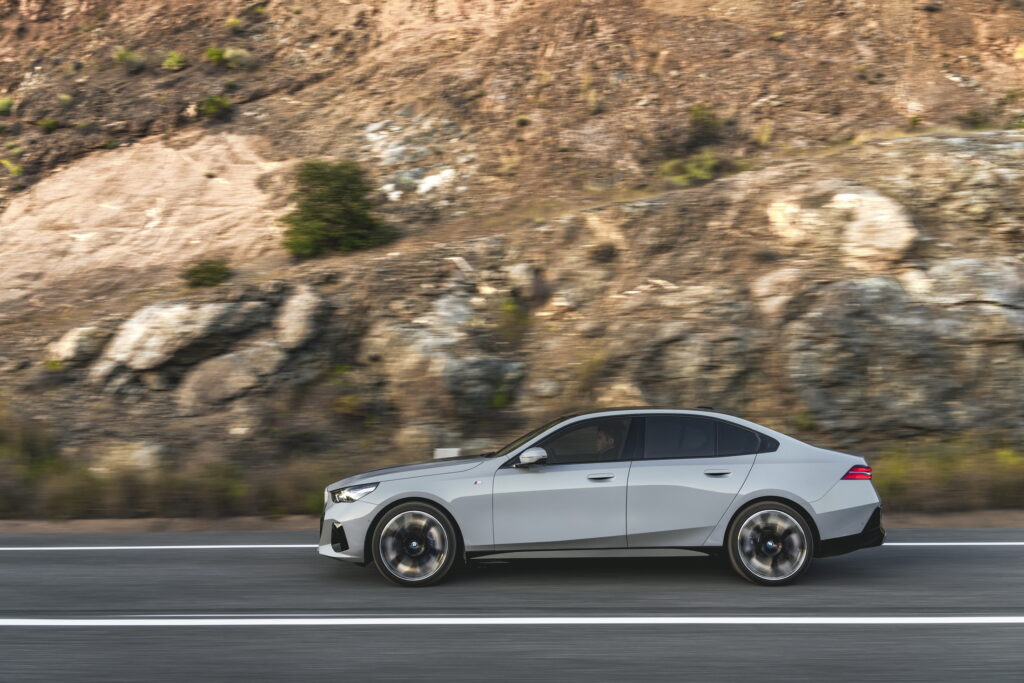
- BMW hit a new sales record in the United States last year.
- Every pure EV model experienced a decline in US demand.
- Gas-powered SUVs remained the brand’s strongest sellers.
BMW just wrapped up its most successful year ever in the US, with more cars leaving dealership lots than in any other year in the company’s American history. But beneath the record-breaking headline, a more complicated picture is starting to emerge for EVs, as sales momentum falters following the White House’s decision to eliminate the generous federal tax credit that had helped keep demand afloat.
var adpushup = window.adpushup = window.adpushup || {que:[]};
adpushup.que.push(function() {
if (adpushup.config.platform !== “DESKTOP”){
adpushup.triggerAd(“0f7e3106-c4d6-4db4-8135-c508879a76f8”);
} else {
adpushup.triggerAd(“82503191-e1d1-435a-874f-9c78a2a54a2f”);
}
});
Read: The Sales Battle Between Mercedes And BMW Just Got Embarrassing
In 2025, BMW sold 388,897 vehicles across the country, a 4.7 percent increase from the 371,346 units it delivered in 2024. The gain came even though fourth-quarter sales slipped 3.4 percent, dropping from 117,506 to 113,512 units. MINI also posted growth, with a 9.3 percent year-on-year rise and a total of 28,749 cars sold.
EV Sales Crater
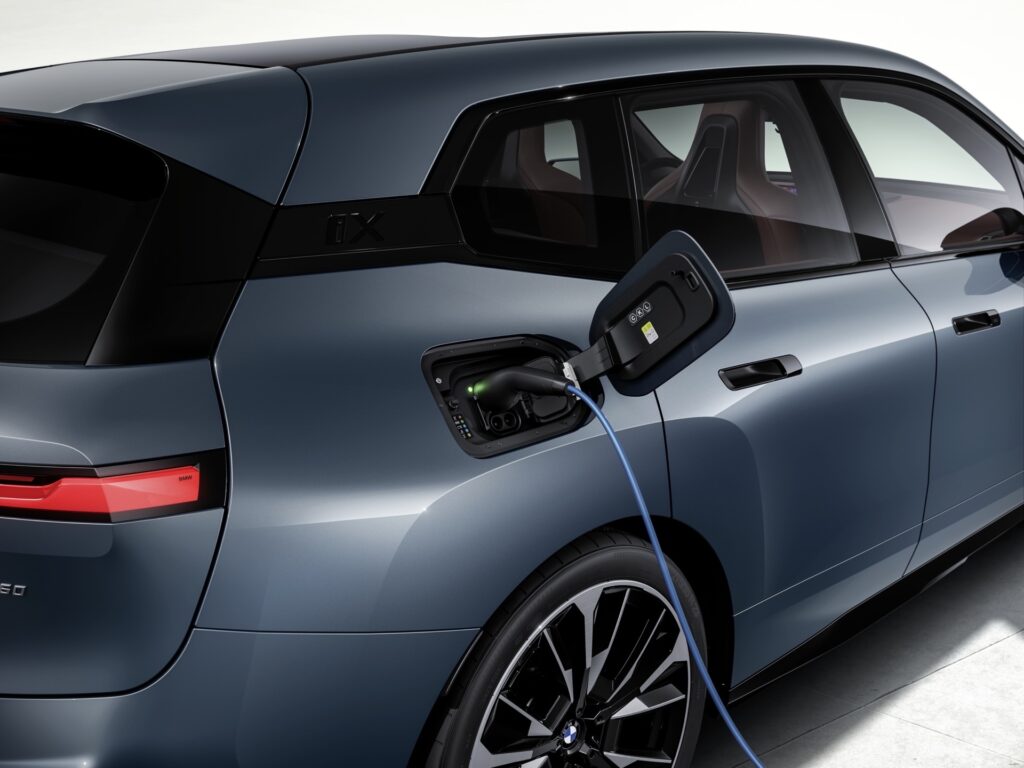
Then there’s the EV situation, which looked considerably less upbeat. BMW sold 42,484 fully electric vehicles in the US last year, down 16.7 percent from the 50,981 it managed in 2024. The decline was particularly sharp in Q4. After the federal government pulled the $7,500 EV tax credit, sales in the final three months collapsed by 45.5 percent to just 7,557 units.
BMW USA Sales 2025
SWIPE
Every one of BMW’s battery-electric models in the US saw a meaningful drop in sales. The i4, which remained the top-selling EV in the lineup, slipped 14.1 percent from 23,403 to 20,114 units. The i5 fell even more sharply, dropping 21.5 percent to 6,877. The i7 was down 15.3 percent to 2,905 units. The iX also struggled, with an 18.2 percent decline that left it at 12,587 sales for the year.
On a more encouraging note for the brand, BMW’s plug-in hybrids gained traction. Sales rose by 30.7 percent, climbing from 19,398 in 2024 to 25,351 in 2025. It wasn’t enough to offset the EV downturn, but it’s a sign that US buyers haven’t turned their backs entirely on electrification.
X Marks the Spot
The X3 led the lineup once again as BMW’s top-selling model, rising 11.3 percent to 76,546 units. That was just enough to slightly edge out the larger and more expensive X5, which posted 76,246 sales, a 5.4 percent increase over 2024.
var adpushup = window.adpushup = window.adpushup || {que:[]};
adpushup.que.push(function() {
if (adpushup.config.platform !== “DESKTOP”){
adpushup.triggerAd(“bb7964e9-07de-4b06-a83e-ead35079d53c”);
} else {
adpushup.triggerAd(“9b1169d9-7a89-4971-a77f-1397f7588751”);
}
});
Several other models also recorded solid gains. The 2 Series, which groups together the mechanically unrelated Gran Coupe and two-door variants, jumped 36.3 percent to 20,975 units. The 3 Series climbed 5.4 percent to 33,031, while the X6 posted a 26.6 percent increase, reaching 12,000 sales. As for the controversial XM, it recorded a 4.9 percent drop in sales compared to 2024.
var adpushup = window.adpushup = window.adpushup || {que:[]};
adpushup.que.push(function() {
if (adpushup.config.platform !== “DESKTOP”){
adpushup.triggerAd(“bb7964e9-07de-4b06-a83e-ead35079d53c”);
} else {
adpushup.triggerAd(“9b1169d9-7a89-4971-a77f-1397f7588751”);
}
});